
Last Update: August 31, 2026 | Reviewed by Continental Tire Product/Technical Specialists
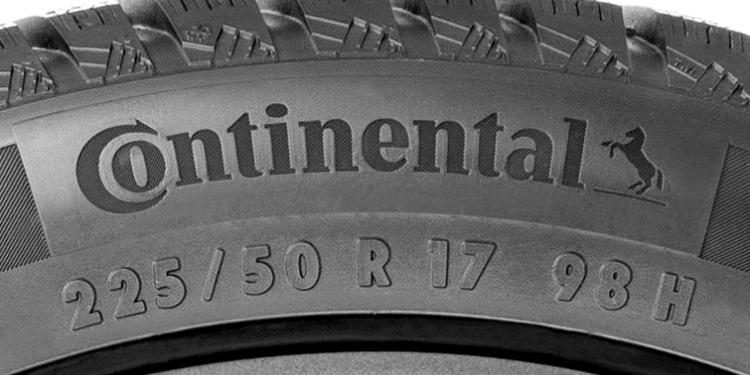
Tire size markings like P215/65R15 95H identify tire dimensions, construction type, load capacity, and speed rating using standardized codes printed on the tire sidewall.
This guide is for vehicle owners who need to understand their tire specifications for replacement, seasonal changes, or maintenance decisions. The most important information is found on your driver’s door jamb sticker, which lists the exact tire size and pressure recommended by your vehicle manufacturer, making replacement selection straightforward and preventing mismatched fitments.
What do the numbers and letters in tire size mean?
Tire size codes like P215/65R15 indicate tire type (P = passenger), width in millimeters (215), aspect ratio as a percentage (65), construction type (R = radial), and wheel diameter in inches (15).
Complete Size Code Breakdown
Using P215/65R15 95H as the example:
P = Tire Type Prefix
- P: Passenger car tire designed for cars, minivans, and small SUVs
- LT: Light truck tire for pickups, larger SUVs, and commercial vehicles with higher load capacity
- No prefix: Euro-metric tire, similar to P-metric but with slightly different load standards
- T: Temporary spare tire (compact donut spare)
The prefix determines load capacity and construction standards. LT tires are reinforced for heavier loads than P-metric tires of the same size.
215 = Section Width
The tire width measured in millimeters from sidewall to sidewall when mounted on the correct rim width and properly inflated. A 215mm tire is approximately 8.5 inches wide. Common passenger car widths range from 185mm to 285mm depending on vehicle size and performance requirements.
65 = Aspect Ratio
The sidewall height as a percentage of the section width. A 65 aspect ratio means the sidewall height is 65% of 215mm, which equals 139.75mm or about 5.5 inches. Lower aspect ratios (45, 50, 55) create shorter sidewalls for sportier handling. Higher ratios (65, 70, 75) provide taller sidewalls for better ride.
R = Construction Type
- R: Radial construction where cord plies run perpendicular to the direction of travel (99% of modern tires)
- D or dash: Diagonal or bias-ply construction (obsolete except specialty applications)
- B: Belted bias construction (rare)
Radial tires provide better fuel economy, longer tread life, and improved handling compared to older bias-ply designs.
15 = Wheel Diameter
The wheel rim diameter in inches that this tire fits. This number must match your wheel size exactly. Common sizes include 15, 16, 17, 18, 19, and 20 inches for passenger vehicles. Attempting to mount a 15-inch tire on a 16-inch wheel is impossible and dangerous.
95 = Load Index
A numerical code indicating maximum weight capacity per tire. Load index 95 means each tire can support 1,521 pounds at maximum inflation pressure. Multiply by four tires for total vehicle capacity (6,084 pounds in this example). Never install tires with a lower load index than specified by your vehicle.
H = Speed Rating
The maximum sustained speed capability. H-rated tires are tested and approved for speeds up to 130 mph. Common ratings include S (112 mph), T (118 mph), H (130 mph), V (149 mph), W (168 mph), and Y (186 mph). Match or exceed the speed rating specified by your vehicle manufacturer.
Quick Answer
P215/65R15 95H breaks down as:
- P = Passenger tire
- 215 = Width in millimeters
- 65 = Sidewall height (65% of width)
- R = Radial construction
- 15 = Fits 15-inch wheels
- 95 = Load capacity of 1,521 lbs per tire
- H = Speed rated to 130 mph
Where do I find my correct tire size?
Find your correct tire size on the driver’s door jamb sticker, which lists the manufacturer’s recommended tire size, or check your owner’s manual for the complete tire specifications including acceptable alternative sizes.
Driver’s Door Jamb Sticker (Primary Source)
Open the driver’s door and look at the door frame or the edge of the door itself. A sticker or placard displays tire size, recommended inflation pressure for front and rear tires, and sometimes load capacity. This is the most reliable source because it shows exactly what the vehicle manufacturer recommends for your specific model and trim level.
The sticker may show one tire size or multiple approved sizes depending on wheel options. For example, a 2019 Honda Civic may list 215/55R16 for standard wheels or 235/40R18 for sport wheels.
Owner’s Manual
The owner’s manual contains complete tire specifications including alternative approved sizes, seasonal tire recommendations, and load/speed rating requirements. Check the specifications section or tire information chapter. This source is especially useful if the door jamb sticker is damaged or missing.
Current Tire Sidewall (Use with Caution)
The tire sidewall shows the size of the currently installed tire, but this may not match the manufacturer’s recommendation if previous owners installed incorrect sizes. Always verify sidewall markings against the door jamb sticker before purchasing replacement tires. Relying solely on the sidewall can perpetuate incorrect fitment.
Fuel Door (Some Vehicles)
Some manufacturers place tire information inside the fuel door. Check this location if you cannot find the door jamb sticker. However, this is less common than door jamb placement.
Glove Compartment Sticker
Older vehicles may have tire specifications on a sticker inside the glove compartment. Check all interior storage areas if the door jamb and fuel door have no information.
What To Do Next
Photograph your door jamb sticker with your smartphone before shopping for tires. The image provides tire size, inflation pressure, and load information in one reference that you can show tire retailers or use for online ordering. This prevents ordering errors and ensures you get exactly what your vehicle manufacturer specifies.
What are load index and speed rating and why do they matter?
Load index indicates the maximum weight each tire can support (higher numbers mean greater capacity), and speed rating shows the maximum sustained speed capability, both critical for safe tire selection that matches your vehicle’s requirements.
Load Index System
Load index assigns a number from 0 to 279 corresponding to weight capacity in pounds or kilograms. The index appears after the tire size and before the speed rating letter. Common passenger car load indexes range from 75 to 105.
Common Load Index Values
Load Index | Max Load per Tire | Load Index | Max Load per Tire |
85 | 1,135 lbs | 95 | 1,521 lbs |
87 | 1,201 lbs | 97 | 1,609 lbs |
89 | 1,279 lbs | 99 | 1,709 lbs |
91 | 1,356 lbs | 101 | 1,819 lbs |
93 | 1,433 lbs | 103 | 1,929 lbs |
For a complete vehicle capacity, multiply the load index capacity by four tires. A vehicle with load index 95 tires (1,521 lbs each) can support 6,084 pounds total. This must meet or exceed your vehicle’s Gross Vehicle Weight Rating (GVWR) found on the door jamb sticker.
Load Index Selection Rules
Never install tires with a lower load index than your vehicle specifies. Installing 91-rated tires (1,356 lbs) when 95-rated tires (1,521 lbs) are specified creates a 660-pound capacity deficit across four tires, risking tire failure under normal loading conditions.
Installing higher load index tires than specified is acceptable and often required when carrying heavy cargo or towing. LT (light truck) tires typically have higher load indexes than P-metric tires in the same size.
Speed Rating System
Speed ratings indicate the maximum sustained speed under controlled test conditions. The letter appears after the load index and represents extensive high-speed testing by tire manufacturers. Common ratings include:
Speed Rating | Maximum Speed | Typical Use |
S | 112 mph | Family sedans, minivans |
T | 118 mph | Standard passenger cars |
H | 130 mph | Sport sedans, coupes |
V | 149 mph | Performance vehicles |
W | 168 mph | High-performance cars |
Y | 186 mph | Exotic sports cars |
Z | 149+ mph | Ultra-high-performance |
Speed ratings also indicate tire construction quality and handling characteristics. V-rated tires generally provide better cornering and responsiveness than T-rated tires even at legal speeds due to stiffer construction and higher-quality materials.
Matching Requirements
Always match or exceed your vehicle manufacturer’s specified speed rating. Installing T-rated tires (118 mph) on a vehicle requiring H-rated tires (130 mph) compromises safety even if you never exceed 118 mph, because the speed rating reflects overall construction quality and heat dissipation capability.
For winter tires, one speed rating lower is acceptable (H instead of V) because winter tire compounds prioritize cold-weather traction over high-speed capability. Consult your owner’s manual for winter tire specifications.
Important Safety Note
Load index and speed rating are not optional features. They represent engineering specifications that ensure safe vehicle operation.
How do I read the DOT code and why does it matter?
The DOT code shows tire manufacturing date in a four-digit format where the first two digits are the week and last two digits are the year, critical for knowing tire age since tires should be replaced after six years regardless of tread depth.
Locating the DOT Code
The Department of Transportation (DOT) code appears on one sidewall as a combination of letters and numbers beginning with “DOT.” The complete code includes plant location, manufacturer code, tire size code, and the four-digit date code. Only the last four digits indicate manufacturing date.
Look for a series like: DOT U2LL LMLR 2319
The final four digits (2319) are the date code. This may be on the inner or outer sidewall, so check both sides if not immediately visible.
Reading the Date Code
The four-digit code format is WWYY:
- First two digits: Week of manufacture (01 to 52)
- Last two digits: Year of manufacture
Examples: - 2319= 23rd week of 2019 (early June 2019)
- 4022= 40th week of 2022 (early October 2022)
- 0124= 1st week of 2024 (early January 2024)
Count forward from January 1st to determine the approximate month. Week 23 falls in early June, week 40 is early October.
Pre-2000 Date Codes
Tires manufactured before 2000 use a three-digit code. If you find only three digits, the tire is over 24 years old and must be replaced immediately. Three-digit codes are XX9 or XX0 format where the last digit indicates year in the 1990s.
Any tire with a three-digit date code should not be in service.
Why Tire Age Matters
Tire rubber degrades over time from heat, UV exposure, and ozone even if the tire is never driven. Some vehicle manufacturers recommend replacing tires 6 years from the date of manufacture, regardless of remaining tread depth, but the recommendation can vary. Consumers should follow the vehicle manufacturer’s instructions. After ten years, all tires must be replaced including unused spares.
Age-related degradation causes:
- Rubber hardening and cracking
- Reduced wet traction capability
- Increased risk of tread separation
- Sidewall brittleness and failure risk
A tire manufactured in 2016 should be replaced by 2022 even if tread depth appears adequate. The date code is the only reliable method to determine if age-based replacement is needed.
Checking Your Current Tires
Find the DOT code on your tires now and calculate age. If manufactured six or more years ago, schedule replacement regardless of tread condition. Many tire failures occur on older tires with adequate tread because internal structure has degraded.
What To Do Next
When purchasing tires, check the DOT code before installation to ensure you receive recently manufactured tires. Tires can sit in warehouse inventory for one to two years before sale. Request tires manufactured within the past 12 months when possible. Avoid any tires over three years old at time of purchase.
What other sidewall markings should I know?
Additional sidewall markings include M+S (mud and snow capability), three-peak mountain snowflake symbol (severe snow certification), maximum inflation pressure, UTQG ratings for treadwear and traction, and manufacturer-specific identifiers.
Weather and Traction Symbols
M+S or M&S: Mud and Snow designation indicates the tire meets basic traction requirements for light snow conditions. This marking appears on all-season tires but does not indicate true winter tire performance. M+S tires provide better traction than summer tires in light snow but are not suitable for severe winter conditions.
Three-Peak Mountain Snowflake (3PMSF): A mountain symbol with a snowflake inside indicates the tire meets strict snow traction testing standards. Only tires passing controlled winter traction tests receive this certification. True winter tires and some all-weather tires carry this symbol. It represents significantly better snow and ice performance than M+S alone.
If you live in an area with regular snow and ice, choose tires with the 3PMSF symbol, not just M+S marking.
Pressure and Load Information
Max Pressure: The maximum cold inflation pressure marked as “MAX PRESS 51 PSI” or similar. This is NOT your recommended pressure. Use the pressure listed on your door jamb sticker, typically 10 to 15 PSI lower than the maximum. The max pressure ensures the tire can handle its maximum load rating.
Inflating to maximum pressure creates harsh ride quality, uneven center tread wear, and reduced traction.
Max Load: Maximum weight capacity at maximum inflation pressure, shown in pounds and kilograms. This duplicates the load index information but provides the actual weight number for reference.
UTQG Ratings
The Uniform Tire Quality Grade (UTQG) system provides comparative ratings for treadwear, traction, and temperature resistance. These appear as three separate ratings on the sidewall.
Treadwear rating: A comparative number like 500, 600, or 700. Higher numbers indicate longer theoretical tread life compared to a baseline tire rated 100. A 600-rated tire should last six times longer than the baseline. However, actual life depends on driving habits, vehicle alignment, and road conditions. Use treadwear ratings to compare tires within the same brand, not across different manufacturers.
Traction rating: Grades of AA, A, B, or C indicating wet braking performance on controlled test surfaces. AA is highest, C is lowest. Most modern tires rate A or AA. This tests straight-line wet braking only, not cornering traction.
Temperature rating: Grades of A, B, or C showing heat resistance at sustained high speeds. A-rated tires handle heat better than B or C ratings. Most passenger tires are A or B rated. This indicates cooling capability under extended high-speed driving.
Manufacturer Information
Brand and model: Tire brand (Continental) and specific model name (PureContact, ExtremeContact, etc.) identify the tire line and intended use.
Country of origin: Manufacturing location required by DOT regulations. Continental produces tires globally in the United States, Germany, and other locations depending on model and market.
Construction details: Materials used in tire construction including “2 Polyester + 2 Steel + 1 Nylon” indicating body plies, steel belts, and nylon cap plies. This technical information matters primarily for tire repair shops determining if repair is possible.
Directional arrows: If present, arrows indicate required rotation direction for directional tread patterns. Mount with arrows pointing forward in the direction of travel. Not all tires have this marking.
Sidewall location indicators: “OUTSIDE” or “INSIDE” markings on asymmetric tires indicate correct mounting orientation. The outside must face outward when mounted.
Quick Reference
Key markings beyond size:
- 3PMSF symbol = True winter capability
- M+S only = Light snow capability
- Max pressure = NOT your recommended inflation
- UTQG = Comparative ratings for treadwear, traction, temperature
- DOT date = Manufacturing week and year
- Directional arrows = Rotation direction requirement
FAQ Section
Can I use a different tire size than what’s on my door jamb?
You can install different sizes if they’re listed as approved alternatives in your owner’s manual. Never install random sizes, as this affects speedometer accuracy, ABS function, and ground clearance. Consult Continental retailers or your dealership for approved alternative sizes.
What does XL or Extra Load mean on a tire?
XL (Extra Load) or Reinforced designation indicates the tire has higher load capacity than a standard tire of the same size when inflated to higher pressure. An XL tire may support 10% more weight than the standard version. This is common on European vehicles and heavier crossovers that need additional capacity.
Do all four tires need to match exactly?
Yes, with one exception: some vehicles, especially high-performance models, are designed with different tire sizes on the front and rear axles. In those cases, follow the manufacturer's recommended size for each axle. Otherwise, all four tires should match in brand, model, and performance category, with similar tread depth. This is especially important on all-wheel-drive vehicles, where mismatched tires can place extra stress on the drivetrain. If replacing only two tires, install the newer tires on the rear axle regardless of which axle is powered.
How do I know if my tires are directional or asymmetric?
Directional tires have V-shaped or arrow-like tread patterns pointing forward and include rotation arrows on the sidewall. Asymmetric tires have different tread designs on inner and outer portions and are marked “OUTSIDE” and “INSIDE” on sidewalls. Symmetric tires have uniform patterns with no special markings and can be mounted any direction.
What’s the difference between P-metric and LT sizes?
P-metric tires (P215/65R15) are designed for passenger cars with lighter loads and prioritize ride comfort. LT (Light Truck) tires (LT245/75R16) have reinforced construction for heavier loads on pickups and commercial vehicles, with higher load indexes and stiffer sidewalls. LT tires of the same size typically cost 20% to 40% more than P-metric equivalents.
Can I mix speed ratings on the same vehicle?
Never mix speed ratings. All four tires must have the same speed rating for balanced performance and safety. If you must replace fewer than four tires, ensure new tires match or exceed the existing speed rating. Mixed ratings create unpredictable handling, especially in emergency maneuvers or high-speed driving.
Where can I find Continental-specific tire information?
Continental’s website provides detailed specifications, recommended applications, and fitment information for all tire models. Use their tire selector tool by entering vehicle year, make, and model for exact recommendations. Continental authorized dealers can also verify correct sizes and alternatives for your specific vehicle.
How often should I check my tire sidewalls for damage?
Inspect tire sidewalls monthly when checking pressure. Look for bulges, cracks deeper than 1/16 inch, cuts exposing internal structure, or embedded objects. Check the DOT date code annually to track tire age. Professional inspection during rotation services every 5,000 to 7,000 miles catches developing issues early.